

The work between taking custody and getting paid for it.
For motor carriers
Dispatch, compliance, equipment, and billing on one record of the load, from tender to settlement.
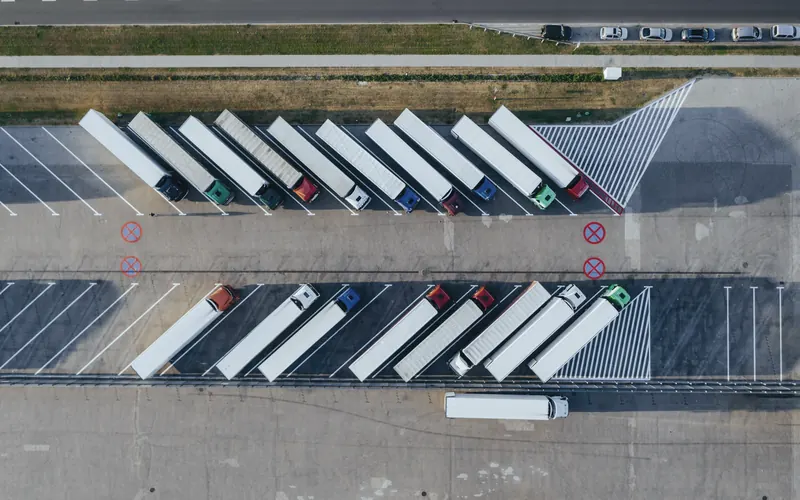
For the people who move truckload, tank, and bulk freight: owners, dispatchers, drivers, safety managers, and the back office. The work runs across a TMS, ELDs, maintenance records, and spreadsheets. Every load carries the same checks: hours of service, endorsements, equipment status. Tank and bulk work adds cargo tank tests, product compatibility, and the wash ticket.
Trucking margins run to pennies per mile, so you protect the operating ratio one load at a time. Everything a load earns goes out on its invoice, including detention, demurrage, and tank wash. Revenue per loaded mile, deadhead, and cost per load stay current, by lane and by customer. The fleet runs on the same record. No truck rolls on a lapsed test or a driver out of hours. The proof is on file before an auditor or an insurer asks.
Dispatchers work one board of loads, trucks, and drivers. Palisade checks hours, endorsements, and inspection dates before a dispatcher assigns a load. Tank freight adds tests on the cargo tank and a wash ticket against the last product. A failed check stops the load and names the reason. Safety managers keep driver files current with medical cards, licenses, and drug-and-alcohol clearinghouse queries. Palisade flags every expiring inspection, certificate, and tank test. Drivers file write-ups from the cab, and the shop closes each on a work order. Rate confirmations, shipping papers, and signed bills of lading attach to the load. Customer service sends tracking updates while the load moves. Your rate agreements and fuel surcharge price every load. Billing invoices the load with its documents and bills detention to the minute. Payroll pays each driver by mile, percentage, or hour. Palisade rolls miles by state and fuel purchases into your quarterly IFTA return. Accidents and cargo claims open their own files, with photos, statements, and correspondence. Owners read claim exposure and safety scores from the same record. Every load holds up in an audit.
For drayage & freight operations
Every container against its free-time clocks: dispatch, appointments, and accessorial billing with the proof attached.
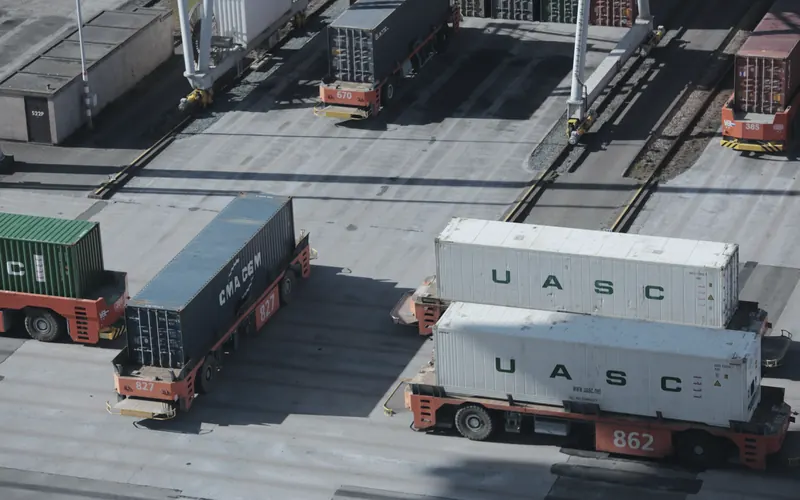
Drayage carriers move containers between the port, the rail ramp, and the customer dock. Owners answer for the margin on every move. Dispatchers build the day against appointments and free time. Drivers sit in the gate queues. The billing desk settles the accessorials.
The margin in drayage comes down to hours of free time, appointment windows, and turns per driver per day. Palisade keeps that margin in the business. Boxes move inside their free time. You bill detention, pre-pulls, and chassis splits in full. When you dispute a demurrage or per diem bill, the gate times on record decide it. Your fleet takes on more volume with the trucks and the dispatch desk it already has.
Delivery orders and tenders arrive by email, EDI, and the customer portal. Each one becomes a work order with every move on it. The board ranks containers by their clocks. Last free day and per diem on street equipment decide what moves first. A dispatcher checks holds and release status before committing a truck, then books the terminal appointment. The board pairs an import empty with an export load for a street turn. Every move belongs to one driver. Gate times, appointments, and chassis interchanges land on the record as they happen. The detention clock starts at the driver's timestamped arrival at the dock. A driver records a refused empty return on the spot, with terminal, time, and reason. The per diem bill arrives weeks later, and the answer is on file. The billing desk invoices linehaul at contracted rates, with accessorials and signed proof of delivery attached. Your customer sees every box and every document in the portal. You settle company drivers and owner-operators from the same completed moves. You read margin by customer and lane, and turns per truck per day.
For shortline railroads
From the switch list to the settled freight bill, the railroad runs on its own record.

The general manager answers for the whole shortline or regional railroad. The trainmaster builds the day's switch list. Train crews work local industries and the Class I interchange. The roadmaster keeps track inspections on the federal cadence. The office settles car hire, bills demurrage, and closes the month.
Built to run the railroad and settle its revenue. You earn your money car by car. Every charge you collect rests on proof, including freight, switching, car hire, and demurrage. You collect everything you have earned, because the record behind each charge is complete. Your disputes end at the record. You hand the FRA a track file you already keep. Your carloads grow without adding people to the office that settles them.
Your trainmaster builds the day's switch list. Crews work the list in the field, and each move updates the record. Every car sits at an industry spot, in a train, or at interchange. The count reconciles daily. Palisade exchanges waybills and interchange events with your Class I partners over EDI. Your customers place release and placement orders in their own portal. Palisade rates each move against your rate agreements and tariffs. It bills freight, switching, storage, and accessorials. The office settles interline divisions with each connecting road. Palisade posts the hour each car crosses at interchange, and car hire ends there. Placement times, actual or constructive, run each demurrage clock. Your roadmaster signs each track inspection the day it runs. Each defect carries the repair that answers it. A slow order lifts only under a recorded sign-off. Engineers file the daily locomotive inspection from the cab. Your shop bills car repairs to the foreign car owner with job and why-made codes. Crew callers see hours of service before they call the next job. The office answers a dispute by producing the record.
For port agency
The whole call from nomination to final disbursement account, every charge authorized and supported.
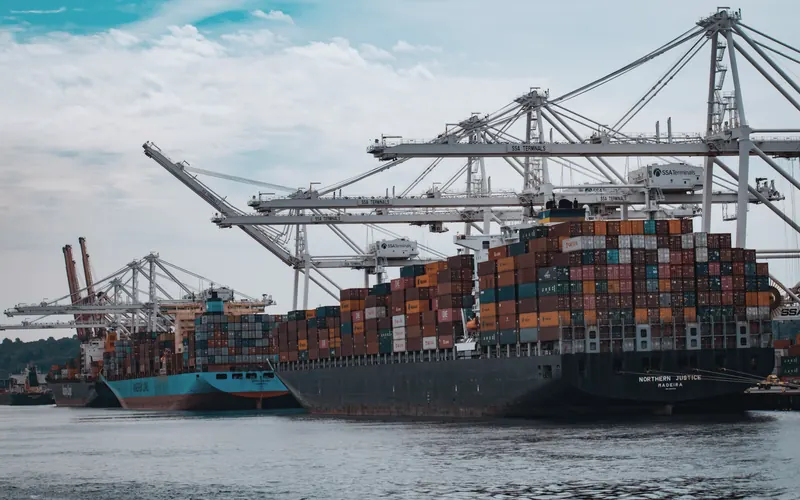
A port agency keeps the vessel's clock. Boarding clerks attend vessels alongside. The operations desk arranges berths, pilots, tugs, and customs clearance for principals in every time zone. The disbursement desk closes the account the principal reads line by line. The work runs on email, phone, and the port call file.
Your principal judges the call by lost time in port and the account by how it stands up to review. The principal funds the call against the proforma. The agency then carries the gap between that advance and the actual cost until the account settles. You render the final account within days of sailing, with every charge supported. It settles without a second round of queries. That returns your cash sooner. Your principal remembers it when the next nomination goes out.
Your desk takes the nomination and opens the port call file. You build the proforma from the port tariff and request the advance. Your team books the berth, pilot, tugs, and linesmen. They clear customs and immigration, then file the pre-arrival notices. The system warns you about an expiring certificate or a vendor that fails screening. Boarding clerks build the statement of facts as the call runs, because a laytime claim depends on the timing. Your agents run crew changes, visas, medical cases, spares, provisions, bunkers, and waste removal. Liner agents issue bills of lading, manifests, and customs filings. Every charge enters against the service that incurred it, its approval, and the vendor invoice. Nothing reaches the account without all three. Cash to master moves under sign-off, with the master's receipt in the file. The final account renders with its vouchers and its variance against the proforma. You track outstanding advances and post settled accounts to your ledger. You compare cost and turnaround across ports, principals, and calls. One screen shows every call in every port, and each principal sees only its own vessels.
The map is not finished.
The platform beneath these systems can model any operation. Tell us how yours runs, and we will design the system that fits it.