

The work between the field and the audit.
For energy & utilities services
The operating system for energy and utilities field work: crews, work orders, assets, and compliance on one governed record.
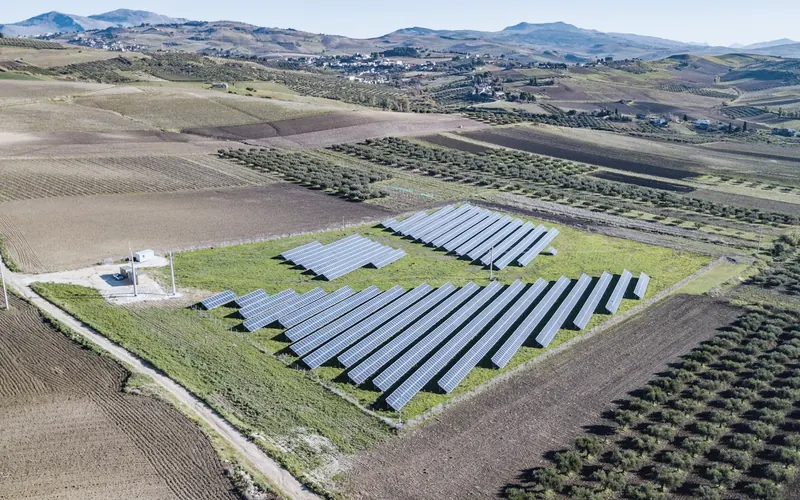
Utilities hire contractors to build and maintain their systems. Line, gas, water, and renewables crews work under master service agreements and inspection programs. The same crews work storm restoration. Operations managers, dispatchers, general foremen, and safety leads run the day.
The utility pays for unit-price work only when your crew documents it. Prequalifiers read your safety history. Auditors read your inspection file. You bill from the record your crews keep as they work. No completed unit goes unbilled. Closeout finishes when the work does, and cash follows. Inspection programs hold their dates through storm season. Your storm work bills at the rates the agreement sets. The record that pays this month's invoice also wins next year's bid.
A planner writes each work order against its asset. A dispatcher assigns it to a crew. The crew carries prints and safety notes on the phone, in or out of coverage. A foreman signs the job briefing before energized work starts. A switchman confirms each isolation and releases the permit by name. Palisade checks operator qualifications before a name goes on a job. The crew logs readings, photos, and units under its name. Crews draw material and serialized units from truck stock. A locator clears each 811 ticket before its due date. A crew files an incident report from the site. Crew time, equipment hours, and quantities post from that entry. A work order closes on its as-built and contract units. Those units post to the invoice line that bills them. Palisade prices extra work off the rate sheet and shows what it cost before. Inspection and leak-survey cycles carry due dates and named owners. You see backlog, unbilled units, crew margin, and overdue inspections on one report. You brief and dispatch mutual-aid crews during a storm. The restoration file supports your reimbursement claim.
For fuel distribution
From the rack load to the invoice: deliveries, tank safety, contracts, and billing.

Propane marketers and refined-fuels jobbers deliver on their own trucks. Owners, general managers, and dispatchers set the day. Drivers run bobtails and transports. Service technicians take the tank sets and gas checks. The office posts the day's tickets. The work runs out of bulk plants and terminal racks, across the dispatch board, the cab, and the back office. Every gallon has to reconcile.
Fuel distribution earns cents per gallon. You win those cents in gallons per stop and drops per day. You lose them in whole gallons. A runout costs you the account, and a short load costs you the run. Trucks arrive ahead of the runout, and every stop drops more gallons. The same fleet carries a larger book of business through the same winter. You account for every gallon off the rack, and every delivered gallon reaches an invoice. Your leak check is on file and signed before the insurer or the state asks.
Palisade builds tomorrow's routes from degree-days, K-factors, and tank monitors, so the dispatcher sees which tanks need a truck. Drivers run stops from the cab and close each delivery on the meter. Customers order, pay, and see tank levels online. A will-call reaches the truck in minutes. Service techs work the same board for tank sets, appliance calls, and gas checks. An out-of-gas call stays open until a technician signs the leak check. Every tank and cylinder carries its serial number, location, requalification date, and rent. Each rack load settles against its tickets. Pre-buy balances draw down delivery by delivery. Budget, capped, and fixed-price accounts bill on their terms. The supply desk compares committed gallons to covered gallons. Every invoice line traces to a ticket. Cardlock and keep-full accounts bill from one record. Collectors work a current aging. Driver files, hazmat endorsements, and exemption certificates flag their expiry. You file fuel tax from posted gallons. Palisade compares a supply agreement against your standard terms. You review a target's tanks, contracts, and gallon history before you buy. You see margin per gallon by customer and route.
For inspection, testing & maintenance services
From scope to delivered report: certified crews, calibrated instruments, and every reading landing on the asset's record.
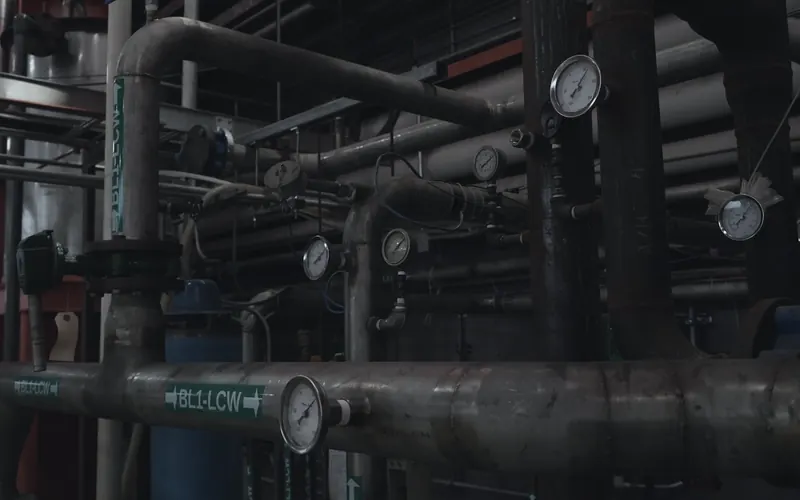
Firms that send certified technicians into plants, terminals, and pipeline rights-of-way: nondestructive testing, mechanical integrity, rope access, industrial maintenance. Operations managers build the schedule, dispatchers match crews to scope, and Level II and Level III technicians work the job. The deliverable is a record, and the client's compliance program stands on it.
You bill when the report goes out, so a faster report means faster cash. Certified technicians are scarce, and Palisade keeps their hours on inspection work. Your client buys the current, defensible condition of their equipment, and your readings are that record. Clients renew with the firm that holds that record. Your quality and safety record answers a client audit from the same system, so you keep the master agreement. You take on more sites and more methods without adding coordinators.
Estimators bid scope against the client's rate sheet. Dispatchers assign crews to scope and staff turnarounds from the same board. Palisade checks method certifications and site clearances before a name goes on the job, and flags expiries early. Palisade refuses readings from an instrument past its calibration date. Crews open the approved procedure, safety analysis, and work permit on a phone. Each reading carries its condition monitoring location, technician, instrument, and time. The phone works offline and syncs when coverage returns. Palisade calculates corrosion rate, remaining life, and next inspection date from thickness history. An indication opens a finding against the acceptance criteria, and the repair recommendation stays open until the client closes it. Technicians log hours, travel, and per diem to the same job. The client signs a change order before the crew works added scope. Palisade writes the report as the crew works, and a reviewer releases it in the client's format. You bill day rates and per-point counts off that same record. Managers see margin by job, billable hours, and inspections coming due. Clients track job status and pull reports.
For environmental & compliance services
The permit sets the schedule, and the record shows every obligation met.
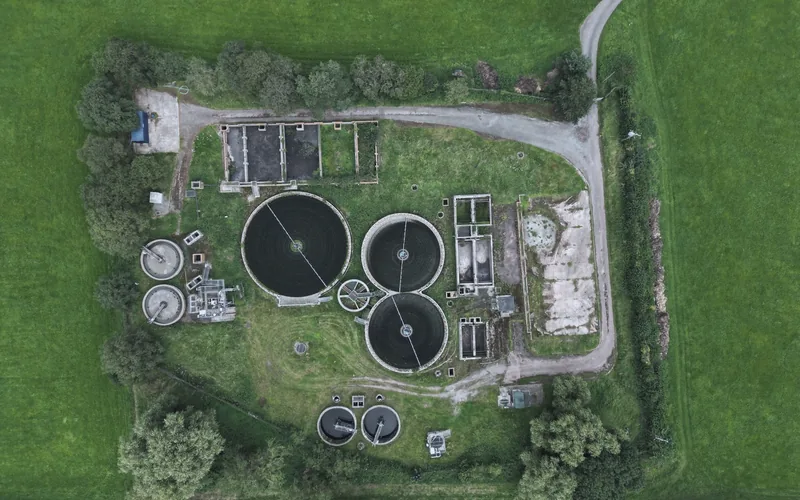
Project managers at environmental consulting, testing, and compliance firms hold the client's permits. Crews sample in the field. Data managers stand behind the numbers. Monitoring, sampling, testing, and reporting run on schedules a regulator checks. That work leaves records in compliance calendars, field forms, lab reports, and email.
Your client pays you to keep nothing on its permit from slipping. Every number you report has to survive a regulator's review. Senior people carry that promise, and a firm holds only as many permits as they can watch. Palisade puts the same checks in the record. Deadlines hold across the whole book. Your reports go out on numbers you can defend in an audit or in enforcement. You take on more permits and more sites at the standard that built your name.
Palisade turns each permit into its conditions, limits, and due dates. Project teams run site investigations and remediation jobs on the same record. Every monitoring event traces to the permit condition behind it. Crews sample and inspect tanks and outfalls from a phone, offline. Holding-time clocks start at collection, and coordinators see bottles at risk. Every custody handoff carries a signature and a time stamp. Palisade imports lab results and matches them against what the crew collected. Data managers review the lab QC and qualify anything that fails. Palisade screens each result against its permit limit and flags points trending up. Palisade calculates emissions and discharge totals from throughput and emission factors. You track waste from container to manifest to disposal receipt. A spill opens a report and tracks the agency notice deadline. An exceedance opens a corrective action that closes on documented proof. Palisade drafts each report and filing from the record. A reviewer signs it before it reaches the agency. Project managers watch spend against budget, and lab invoices reconcile to scope. You see every open obligation across the book on one screen.
For certified parts manufacturing
Production and quality on a single record, from the mill cert to the certificate of conformance.

Owners, quality managers, and quality engineers build to aerospace and nuclear quality standards. Machinists and inspectors close each operation with their stamps. They work in AS9100 machine shops, at NQA-1 suppliers, and in the special-process houses behind them. Requirements flow down with every purchase order, and every lot ships with its certs.
You sell proof along with your parts. Your approvals took years to earn, and every shipped lot, audit, and source inspection tests them. You protect those approvals and the growth they make possible. Your finished lots ship when the work closes, paperwork included. You catch escapes inside your own shop. Audit preparation stops being a project because the objective evidence exists before anyone asks for it. Aerospace build rates and new nuclear construction put more certified work on offer. You can take it without adding quality staff.
Your estimators quote each operation on the routing. A reviewer puts each order's quality clauses on the traveler. Buyers flow the same clauses to suppliers and outside processors. Every supplier and special-process house must hold a current approval. Planners load jobs against machine and inspector capacity, so due dates hold. Receiving checks material against the mill cert and issues it by heat lot. Each operation opens at the current drawing revision and closes under the machinist's stamp. A traveler cannot advance past an open buy-off. An expired calibration or a lapsed qualification blocks the buy-off. Inspectors record measured results against the inspection plan and its key characteristics. Nonconformances carry their disposition, sign-off, and root cause. Quality closes a corrective action after verifying the fix. Safety-related work carries its critical characteristics and builds its dedication package. Internal, customer, and registrar audits read straight from the record. The front office sees each job's status and cost against estimate. The last operation closes with the certification package complete, including the first article inspection report. The certificate of conformance signs against it, and the lot ships with its proof.
The map is not finished.
The platform beneath these systems can model any operation. Tell us how yours runs, and we will design the system that fits it.