

The work between an aircraft arriving and an aircraft leaving.
For Part 145 repair stations
An operating system for the certificated repair station. The work order, the traveler, the release, and the invoice on one record.

Airframe, engine, component, and accessory shops hold a Part 145 certificate. Accountable managers and chief inspectors answer for that certificate. Shop supervisors, technicians, stores, and the front office run the floor. The work moves on quotes and customer approvals, work orders and travelers, parts with their trace, and a signed return to service.
Your customers judge you on the turn time you quote and the release you sign. Palisade lets your shop stand behind both at higher volume. You commit turn times against the real load of the floor, and you keep them. Margin survives scope growth, and every approved hour reaches the invoice. The record behind each release is complete on the day you sign it. Your FAA audit reads that record. Your customer's vendor audit reads the same one. A warranty claim settles on it. You gain capacity. Technicians spend their hours on the work, and more inductions move through the same floor.
A job opens at induction with the quote, workscope, and turn time. Your planner sets that date against the floor's load. Palisade checks the work against your capability list. A mechanic claims a step on the traveler and signs it closed. Only technicians with current training and authority sign steps. Stores issue each part with its 8130-3 or material cert attached to the step. A part without that paperwork stays on the shelf. Buyers raise purchase orders and outside repair orders, and the vendor's promised return date lands on the job. Technicians draw calibrated tools the same way, so a lapsed calibration blocks the draw. Required inspection items hold until an inspector signs. An inspector writes up and prices over-and-above findings. No hours post until your customer approves. Your quality manager logs audit findings and closes corrective actions. Your front office answers a customer's status call off the traveler itself. Palisade builds the return-to-service package from the traveler. Your chief inspector signs it. The invoice draws from the same record the auditor reads. You see turn time and margin by job and customer.
For charter & aircraft management operators
Charter and managed fleets on one record: the schedule, the flight release, the trip file, and the owner statement.

Charter and management operators run two businesses on one certificate: owners' aircraft flown under management agreements, and the open time sold as charter. Directors of operations, chief pilots, charter sales, dispatchers, and owner services carry both, and the schedule changes by the hour.
You run the trip and settle the owner's month on one record. Charter fills the open time on managed tails, and the certificate is never in question. Each tail closes its month in days, and you lose no billable line. You keep management contracts because the owner statement holds up. Every figure on it stands in front of the owner's accountant. An owner who trusts the statement stays and brings you the next tail. Your safety rating holds through the audit, so brokers keep booking the fleet. Your managed fleet is your charter supply.
Sales quotes against open tails, maintenance due times, and crew legality. Dispatch assigns the tail and crew and prices the repositioning legs. Trip support books permits, handling, customs, and catering. The release holds until duty, rest, currency, and the risk assessment clear. A refusal names the rule. The pilot in command accepts the release on the record. The crew file holds training records and warns before a checkride lapses. Crews log flight times and write up squawks. Those hours drive component times, inspection due dates, and open MEL items. Your safety manager runs hazard reports and corrective actions. The trip file collects fuel receipts, handling invoices, and crew expenses. Charter legs and owner legs post to one ledger. Owner services checks each statement against the management agreement. Palisade flags expiring insurance certificates and rates that no longer match. Billing adds excise tax to the invoice and reconciles fuel invoices against the uplift. Every figure on the owner statement opens to its source document. You see profit by tail, hours flown, and empty legs. You answer an FAA records request or safety audit from the file.
For aircraft parts distributors
Rotables, expendables, and consumables, traded with trace intact. The part and its file move as one.

Owners and general managers move material through the aftermarket. Traders and buyers work the desk. The quality manager keeps the accreditation current. Receiving inspectors, warehouse leads, and shipping leads move the units. The work runs on RFQs, quotes, exchanges, repair orders, and lot buys. Every unit travels under its own paperwork.
A part is worth what its paperwork can prove. A unit with complete trace sells at full price and sells today. A unit with a gap sits. Palisade keeps the file whole from the receiving dock to the invoice. Your desk quotes stock whose trace is already done. Your accreditation audit reads the file the sale ran on. You ship nothing you cannot defend. You also see what your stock costs you to hold, so slow units move while they still have value. A distributor trades on its name, and every documented shipment adds to it.
RFQs arrive from the marketplaces and the inbox. Your desk quotes them against live stock. Each line shows condition and whether trace is complete. The quote shows your last cost and the part's last sale price. Buyers source what you do not stock and compare vendor quotes. Traders price a lot buy against the stock it yields. A receiving inspector attaches the 8130-3, the ATA 106, and the inspection. Palisade checks that file against the purchase order and flags what is missing. Material short on paper waits in quarantine until a manager signs a disposition. Consignors see their own stock and settle from the same lines. Repair orders track turn time and cost. Exchanges hold the core due back. You see shelf-life and core deadlines before they lapse. Shipping screens the buyer against the denied-party lists and prints the export papers. The trace package compiles from the record and ships with the part. Returns open an RMA, and warranty claims go to the vendor. Your quality manager approves vendors, runs audits, and tracks corrective actions. Reports show aging stock, slow movers, and margin by customer.
For ground handlers
From block-in to invoice, ground handling runs on the record of the turn.
A handler serves many carriers at once, above and below the wing, each under its own SGHA with its own Annex B services and rates. Station managers, duty managers, and ops controllers answer for the turn. Turnaround coordinators and ramp supervisors run it at the aircraft. The billing team closes the month.
Ground handling earns its margin in minutes. Work you do at the aircraft and never record is revenue you give away. A delay code you cannot answer becomes a penalty, then an argument at renewal. You bill every service at the rate the contract sets. Your rosters follow the flights, so overtime falls. Crews report ground damage the same day, so claims cost less. Your station holds its accreditation on the record it already keeps. Carriers renew on performance you can show. New flights and new stations follow.
Planners build the roster from the flight schedule. The roster assigns only people whose training and airport badges are current. Every turn reaches the board with its carrier's services, timing windows, and rates. Dispatch assigns crews and equipment before block-in. Ramp crews close each service on a phone with a timestamp and a name. They also record extra services the carrier orders over the headset. Loaders scan every bag at acceptance, load, transfer, and arrival. Agents check in and board passengers. A mishandled bag opens its own file. Load control issues the loadsheet from the same flight file. De-icing crews log fluid type, quantity, and holdover time. Delay codes carry photos and notes from the turn. The supervisor signs the turn closed from the ramp. Crews report ground damage and hazards from the same phone. Safety leads track each report to its fix. Billing compiles each carrier's invoice under its Annex B rates. A disputed line opens onto the work behind it. Unbilled work shows before the month closes. SLA results and margin by carrier come from the flight files.
For fixed-base operators
The operating system for the FBO: fuel, line service, hangars, and billing on one governed record.

Fixed-base operators run the line and the front desk at once. Line service technicians fuel, tow, and marshal on the ramp. CSRs quote fees, schedule quick turns, and close out invoices at the counter. The general manager answers for both, and for every gallon in the fuel farm.
Fuel is most of the top line, and its margin is the most contested number on the field. Handling, hangar and tie-down, ramp and overnight fees, and quick-turn services make up the rest. Those charges only count when they reach the invoice. Palisade bills every service your line delivers. Every tail that crosses the ramp contributes what it should. Every gallon reconciles, from the fuel farm to the wing. The record holds up under a fuel audit and a safety audit alike. Your operation takes on more traffic without growing the back office.
Your line sees every tail on the ramp and every open hangar spot. Dispatch stages arrivals and assigns tows, quick turns, and hangar positions. A fuel order reaches the truck with tail, product, and quantity confirmed. The technician photographs the meter reading, and the captain signs for the gallons. The counter drafts the invoice before the pilot reaches the desk. The fee schedule prices fuel, ramp, handling, and overnight charges. Waivers post against the uplift that earned them, and overrides name who approved them. Contract fuel and fuel cards settle to the program on their own. CSRs book catering, crew cars, hotels, and customs, and each booking reaches the invoice. Hangar tenants bill monthly. You see every lease and insurance certificate before it expires. Line techs log daily sumps, filter pressures, and truck inspections. Your safety file holds training dates, incident reports, and audit findings. The nightly close reconciles gallons received, dispensed, and sold, and traces variance to a truck. You file flowage fees and fuel tax exemptions from those gallons. Your GM sees margin per gallon, unbilled work, aged receivables, and waived fees.
For FBO networks
One operating layer across every base. The same standard at every field, and the group sees the whole network live.
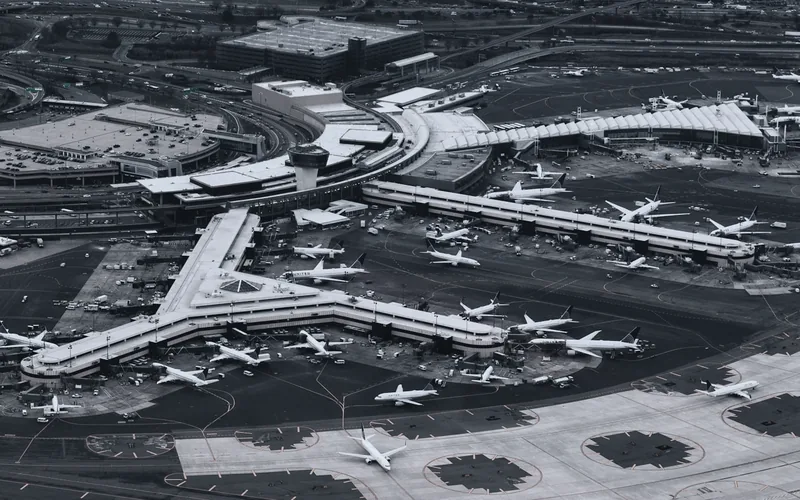
FBO groups run one brand across many airports, and most buy their bases. Group executives, controllers, and base general managers run the network. The front desk and the line run each field. Each base arrives with its own point of sale and its own way of closing the month.
A network is worth more than its bases only when it runs as one operation. One standard holds the fuel margin at every field. Each gallon bills at its contracted price. Your team earns every fee or waives it knowingly. Every base closes the month the same way. The figures stand up to your board and your next buyer. Every base keeps its leases, audits, and insurance current. One base never puts the others at risk. A base you acquire reports like the rest from its first month. You add bases without losing control.
Every base runs the same system, so a fueling means the same thing at every field. A line technician posts a fueling only with a meter reading and tail number. A CSR quotes fuel, ramp, and handling from one fee schedule. Every waiver and override records who approved it and which uplift earned it. Palisade bills the fuel program for gallons and the operator for handling. Controllers reconcile gallons received, dispensed, and billed at every fuel farm. Shrinkage traces to a truck. Base managers staff each shift against booked arrivals. They bill hangar and tie-down leases and track every renewal and escalation. They report fuel flowage and pay the airport on time. Line technicians log sump samples, filter checks, and truck inspections. One report shows lapsing certifications, expiring leases, lapsed insurance, and overdue inspections. Palisade reads the leases and fuel contracts at a base you buy. It flags every term that differs from your standard. Group executives compare bases on uplift, margin per gallon, receivables, and unbilled work. The close runs nightly. A base that misses it shows as open the next morning.
The map is not finished.
The platform beneath these systems can model any operation. Tell us how yours runs, and we will design the system that fits it.