

The work between the jobsite and the pay application.
For commercial general contractors
One governed record for the work and the money, from the first daily log through final retainage.

A commercial general contractor builds with other people's crews and other people's money. Subcontractors perform the work, and the owner funds it against a schedule of values. Every month the pay application decides when cash arrives. The job runs through project executives, project managers, superintendents, and project accountants.
The fee on commercial work is thin. The record of what the owner directed and what the draw rests on decides whether the contractor keeps it. Palisade keeps that record whole. The contractor prices changes while the work is current, and the fee survives them. Your architect certifies on evidence, and the draw funds on schedule. Subcontractors price a general contractor's payment history into their bids. The contractor who pays on time gets better numbers from better trades. The job closes with retainage released and nothing left to argue. Owners who have seen the record bring the next one.
Your preconstruction team invites bids, levels proposals, and buys out the job. Palisade prequalifies subcontractors on finances, safety, and bonding capacity. It reads the prime contract and every subcontract against your standard terms. It flags notice windows, indemnity, and payment terms that differ. It compares drawings against specs and reports conflicts. Project managers run RFIs and submittals off the current drawings. Superintendents file the daily log the same day, with quantities and photos. Foremen run safety and quality inspections from a phone. They report incidents and near misses the same day. The three-week lookahead updates from field reports. Superintendents open a change event the day the owner directs it. Palisade sends notice inside the contract window, and pricing follows. Cost-to-complete forecasts update as costs post. Executives read margin and open change exposure across every job. The pay application assembles from logged work in place. Every continuation-sheet line carries its backup and bills once. Subcontractor payment waits for the conditional waiver and insurance certificate. Punch items close against photos. Palisade collects as-builts, O&M manuals, and warranties as the job runs. It tracks when retainage releases.
For specialty trade contractors
The operating system for specialty trade contractors, from the work order to final payment.
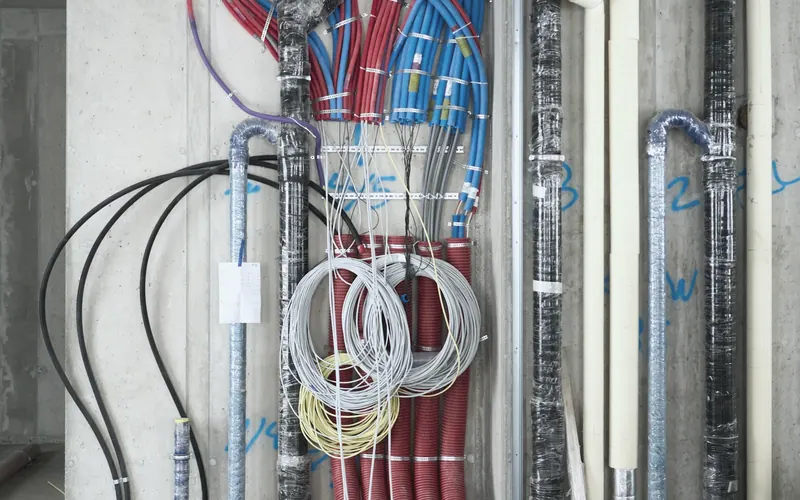
Mechanical, electrical, plumbing, concrete, drywall, and steel contractors self-performing work for general contractors and owners. Foremen run crews against work orders and timecards. Project managers and the back office run the schedule of values, job cost, and the monthly pay application.
You finance your own work. Labor and material go out weeks before the money comes back. Palisade protects the margin in between. You sign extra work before it turns into a dispute, and you bill it the same month. Pay applications go out complete, so the general contractor has less to question. Cash returns sooner, and the working capital carrying your receivables funds the next job instead. You catch a losing job while crews can still fix it. You bid the next one on the hours your crews take.
Estimators work every invitation to bid, take off the drawings, and price the job. Palisade marks every subcontract that differs from your standard terms, including flow-down clauses and scope you never bid. Project managers buy out the job on purchase orders. Crews open drawings, RFIs, and submittals at the current revision. A coordinator schedules crews across jobsites and tracks their licenses. Foremen close work orders from the field with photos and sign-off. Extra work goes on a ticket signed the same day. The ticket becomes a priced change order you track until the contractor signs. A foreman enters a timecard once. It drives job cost, certified payroll, and the labor backup you bill. Installed quantities post against estimated hours, so losses show early. The pay application assembles in each contractor's format from signed records. Lien waivers issue against the payments they cover. Retainage carries its release date. Safety leads log toolbox talks and incidents. A foreman clears each punch item with a photo, and the closeout package goes out complete. Your controller reads work in progress, overbillings, backlog, and unapproved change orders on one report.
For heavy civil & infrastructure contractors
Unit-price construction on one field record, from notice to proceed through closeout.
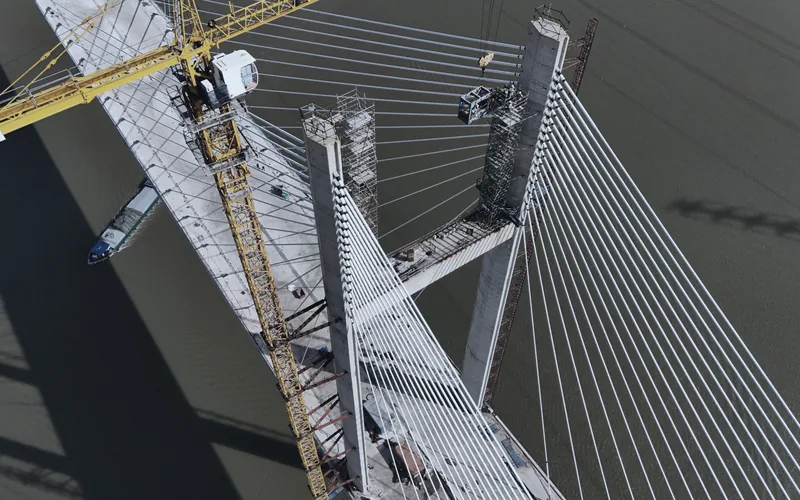
Contractors who self-perform grading, paving, utilities, and structures for public owners, paid by the unit against a bid schedule. Estimators price the work, and superintendents and foremen put it in the ground. Project managers hold the job to the bid, and the office turns daily reports into payroll and the monthly pay estimate.
Margin is the gap between the rate you priced and the rate your crews hit. You win or lose it item by item, on the job. Palisade shows that gap daily, in time to move crews or resequence work. You bill every hour of extra work, because the signed record exists that day. The monthly pay estimate goes out with its backup, so the money arrives on time. Every finished job returns real production rates to the next bid. You price the next job from what your crews do.
Estimators price each bid item from crew, equipment, and production rates. They compare subcontractor and supplier quotes on bid day. The bid schedule becomes the job budget, item for item. Dispatchers assign tomorrow's crews, equipment, and trucks. Equipment hours post to each job at your internal rates. Foremen file one daily report with hours, quantities by item, and haul tickets. A project manager sees each item's cost against the bid daily. The office runs payroll, certified payrolls, and DBE reports from those hours. Mechanics open work orders from meter hours and failed inspections. Crews file job hazard analyses, toolbox talks, and incident reports. Quality staff log material tests and stormwater inspections. Project engineers track RFIs and submittals. Superintendents work from the current drawings. Extra work opens a force account at agreed rates. The inspector signs it that day. Delays and notices stay on file for a claim. Accounting reconciles supplier and trucking invoices against tickets. Project managers forecast cost to complete monthly. The monthly pay estimate carries backup on every line. Each quantity bills once. Subcontractor billings and lien waivers follow the payments they cover.
For fire protection & life-safety contractors
A governed system for inspection, testing, and maintenance, from the code-required due date to the verified correction.
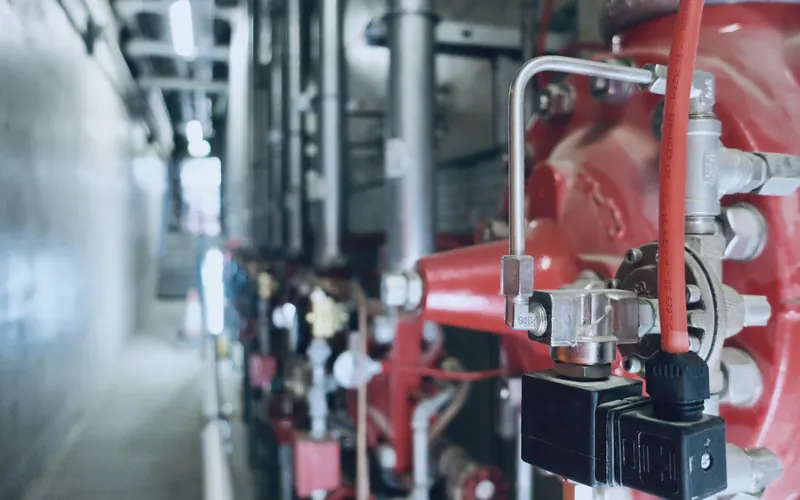
Owners and service managers run inspection, testing, and maintenance. Coordinators build the routes, and inspectors and technicians work in the field. Sprinkler, fire alarm, and suppression work recurs on NFPA frequencies, and every report answers to a building owner and an authority having jurisdiction.
Your inspection contracts are the annuity of the business. The repair work you find under them is the margin. Every system runs on its code-required clock, so no due date lapses and no building drifts out of compliance. Your technicians price findings while they are fresh, and quoted work becomes booked work. Your file proves your diligence to the building owner who relies on it and to the authority having jurisdiction that examines it. That is how you grow the recurring base without growing the liability underneath it.
Every building holds a register of its systems, devices, and extinguishers. Each system carries its NFPA frequencies, so quarterly and annual dates come due on their own. A coordinator builds routes and assigns technicians by license. The technician works the checklist device by device, and skipped devices stay visible. Every reading and photo carries a name and a time. The technician classifies each finding as noncritical, critical, or an impairment, then quotes the repair. An impairment holds its fire watch and AHJ notice until service returns. Your service manager works the aging quote backlog by value. Approved quotes become work orders, and parts move on purchase orders. No deficiency closes without a verified fix against the original finding. Extinguisher records carry recharge and hydrostatic dates. Technician hours post to payroll. The invoice comes from the visit. Palisade files inspection reports with the jurisdictions that require them. The building owner sees every report, deficiency, and quote. You see every open critical deficiency across the portfolio. Each device shows what failed on its last three inspections. Every agreement shows its renewal date and what it earned.
For crane & rigging companies
Quoting, dispatch, lift planning, field tickets, and billing, one system for the whole fleet.

The work divides between taxi cranes booked by the hour and engineered lifts planned for weeks. One fleet and one bench of certified operators cover both. Dispatchers fill the board, operators and riggers make the picks, lift directors sign the plans, and the office turns tickets into invoices.
A crane company's capital sits in its fleet. That fleet pays only when it is on rent and the invoice goes out. Nothing the field earns goes missing before the invoice, and the owner sees, crane by crane, what the fleet returns. That number decides when to buy and when to sell. The same discipline guards the safety record a crane company trades on. You show every operator current and every critical lift planned and signed. That keeps your insurance and your place on the bid list. An owner grows the fleet from there.
An estimator prices the job off the load chart and rate card. The lift plan holds pick weight, radius, percent of chart, rigging, and ground bearing pressure. The lift director signs it before the crane rolls. Dispatch books the crane, operator, rigger, lowboy, counterweight trucks, and pilot cars together. Palisade blocks a crane past annual inspection or an operator with a lapsed card. The office files oversize permits and books escorts on the route. Every sling, shackle, and spreader bar carries its rated capacity and inspection date. A failed inspection red-tags the item across the fleet. Engine hours and lift counts schedule preventive maintenance, annual inspections, and load tests. A defect from the field opens its own work order. Operators file daily inspections and job tickets from the cab. The customer signs on site. The invoice uses the quote's rate card, with travel, minimums, standby, and overtime. The same hours pay the crew, under union rates and certified payroll. Crews log incidents and property damage. A claim opens against a file that already exists. Reports show utilization and cost, crane by crane.
The map is not finished.
The platform beneath these systems can model any operation. Tell us how yours runs, and we will design the system that fits it.